Charging & Power · Comparison
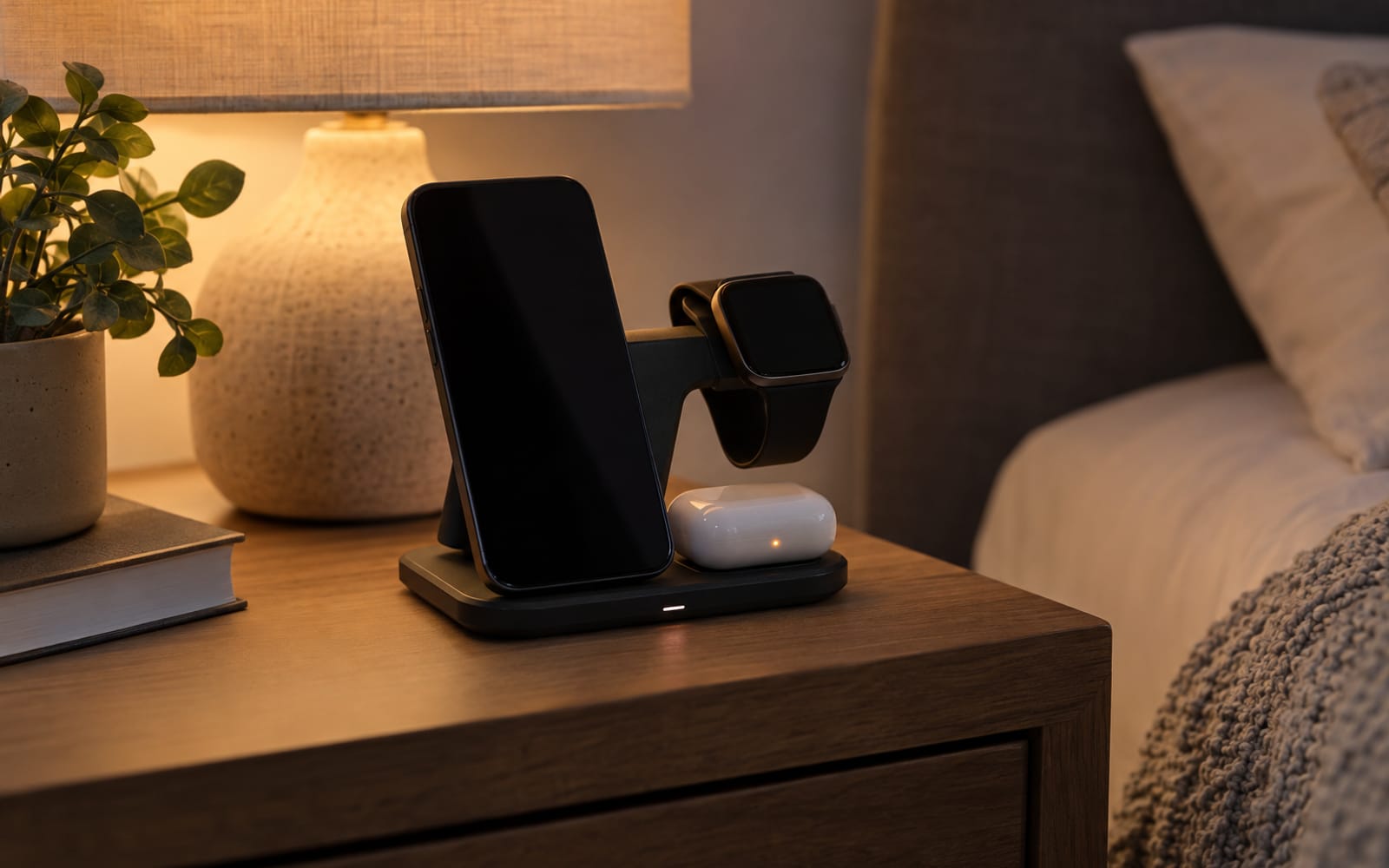
The bedside table is where wireless charging either earns its place or gets abandoned. You have a phone, a watch and a pair of earbuds, which means three cables, three plugs, and a nightly ritual of finding the right one in the dark. A wireless pad promises to end that. What it does not promise, and cannot deliver, is speed.
The honest starting point: wireless is slower
Wireless charging works by passing energy through a magnetic field between a coil in the pad and a coil in the device. That transfer is inherently less efficient than a direct wired connection, and the energy lost in the gap becomes heat. At any given price, a wired connection will charge faster than a wireless one.
This is not a temporary limitation that a newer model will fix. It is how the technology works. So the question is not which wireless pad is fastest, since they are all slower than a cable, but whether the convenience is worth the slower charge for this specific job.
What wireless actually buys you
For a bedside table, the answer is usually yes, and the reason has nothing to do with speed. You drop the phone on the pad at night and it charges while you sleep. Speed is irrelevant, because you are asleep. What you gain is the removal of three cables from a surface that never had room for them.
For a desk, the calculation is different. If you pick up and put down your phone all day and want it topped up between uses, a pad is genuinely useful. If you need a fast charge before leaving the house, a cable is the right tool and always will be.
Rule of thumb: wireless charging is a habit product, not a speed product. Buy it to change where you put your devices, not to change how fast they charge.
Alignment, cases and heat
Three practical details decide whether a wireless pad works well in daily use.
Alignment. A phone has to sit over the charging coil, and a small offset can slow charging or stop it entirely. Magnetic attachment solves this by snapping the phone into the correct position, which is why magnetic pads are more forgiving than flat ones. A flat pad demands that you place the phone correctly every time.
Case thickness. A thick case increases the gap between the coils and reduces efficiency, which means more heat and a slower charge. Thin cases are usually fine; heavy rugged cases often are not. If a phone charges slowly on a pad, the case is the first thing to test.
Heat. The energy lost in the gap becomes warmth in the phone. Wireless charging runs warmer than wired charging for the same result, and a phone that is already warm, from gaming or direct sun, will charge more slowly still. Do not leave a phone on a pad in a hot car.
The 3-in-1 station is a tidiness purchase
A 3-in-1 station charges a phone, a watch and earbuds from a single wall connection. Read that description honestly and you can see what you are buying: it is a way to remove three cables and two spare plugs from a surface. The speed of each individual charge is the same slow wireless speed as any other pad.
If your goal is a clean bedside table, a 3-in-1 station is the product that delivers it. If your goal is fast charging, it is the wrong purchase regardless of how well it is made.
| Anker MagGo Wireless Charging Station | Belkin BoostCharge Pro 3-in-1 | Anker MagGo 622 | |
|---|---|---|---|
| What it is | Foldable 3-in-1 magnetic stand | Foldable 3-in-1 wireless pad | Magnetic wireless power bank |
| Devices at once | Phone, watch, earbuds | Phone, watch, earbuds | One phone |
| Best for | Tidying a nightstand | Apple households, desk charging | Day trips, cable-free top-ups |
| You give up | Wireless speed; needs a magnetic phone | Wireless speed; careful alignment | Capacity is a top-up, not a full charge |
Our picks
Anker MagGo Wireless Charging Station — a foldable 3-in-1 magnetic stand that charges a phone, watch and earbuds from one plug. Based on published specifications it folds flat for travel and holds a stable phone angle for standby mode. It removes three cables from a bedside table, which is the whole point. What you give up is speed, the need for a compatible magnetic phone, and the fact that watch charging can be slower than the official puck.
Belkin BoostCharge Pro 3-in-1 — the same idea built for Apple households, with a well-made folding hinge and a single wall connection. It is expensive and the phone must be aligned correctly on the pad. Choose it if you want the tidy-station outcome and prefer a flat pad to a stand; choose the Anker if you want the phone propped up.
Anker MagGo 622 Magnetic Battery — a different product doing a related job. It is a magnetic wireless power bank with a fold-out kickstand, published capacity around 5,000 mAh, and USB-C input for recharging the pack itself. The point is that it never needs a cable while it is charging your phone. What you give up is capacity, since this is a top-up rather than a full recharge, plus some added bulk and warmth on the back of the phone.
What not to overpay for
- A higher wireless wattage figure. Even a fast wireless pad is slower than a cable, and the phone’s own limits often cap the benefit.
- A branded pad for a non-magnetic phone. If your phone does not attach magnetically, you are paying for a feature you cannot use.
- Travel folding as a headline feature. Useful, but only if you actually travel with the pad rather than leaving it on the nightstand.
- Extra ports you will not fill. A 3-in-1 station makes sense for three devices. For one device, it is three times the hardware you need.
When you should not buy anything
If you already charge your phone overnight on a cable without thinking about it, a wireless pad adds a purchase and subtracts nothing. The case for buying one is a surface you want to clear, or a habit you want to change. If neither applies, keep the cable.
Prices vary by retailer and change often, so check the current figure with the merchant.
Our picks
These are the models we would shortlist for the scenarios in this article. Each entry shows the published specification highlights, what the product is genuinely good at, and what you give up.
Anker MagGo Wireless Charging Station
Anker
A foldable 3-in-1 stand that charges a phone, watch and earbuds from one plug. Wireless is slower than a cable, so it is about removing clutter rather than speed — which is exactly what a nightstand needs.
What it does well
- Removes three cables from a bedside table
- Folds flat for travel
- Stable phone angle for standby mode
What to accept
- Slower than wired charging
- Needs a compatible magnetic phone
- Watch charging can be slower than the official puck
Best for: iPhone users · Nightstands · Desk tidying
Published specs: Foldable 3-in-1 magnetic wireless charger; Charges phone, watch and earbuds together; Travel-friendly folding design; Single cable to the wall.
Last checked: 2026-10-02
Belkin BoostCharge Pro 3-in-1
Belkin
Charges a phone, watch and earbuds from one cable and folds flat for travel. Wireless speed is the compromise — it is about tidying a bedside table, not about charging fast.
What it does well
- One cable replaces three
- Folds flat for a bag
- Well-built hinge mechanism
What to accept
- Slower than wired charging
- Expensive
- Phone must be aligned correctly
Best for: iPhone and Apple Watch owners · Nightstands · Desk charging
Published specs: Foldable 3-in-1 wireless charging pad; Charges phone, watch and earbuds simultaneously; Compact folding design; Single wall connection.
Last checked: 2026-10-02
Anker MagGo 622 Magnetic Battery
Anker
The point of a magnetic battery is that it never needs a cable, and that is exactly what you get. Wireless charging is slower than a wire, so treat this as a top-up tool rather than a full recharge.
What it does well
- No cable needed while charging
- Kickstand is genuinely useful for video calls
- Small enough to leave attached
What to accept
- Wireless charging is slower than wired
- Capacity is a top-up, not a full recharge
- Adds bulk and warmth to the phone
Best for: iPhone users · Day trips · Minimal bag carry
Published specs: Magnetic wireless power bank for compatible phones; Fold-out kickstand; Published capacity around 5,000 mAh; USB-C input for recharging the pack.
Last checked: 2026-09-22
Frequently asked questions
Is wireless charging bad for battery health?
Wireless charging runs warmer than wired charging for the same result, and heat is the factor most associated with battery ageing. That said, most people will not notice a practical difference from normal overnight use. If a phone feels hot on a pad, improve the airflow or remove a thick case.
Why is my phone charging slowly on a wireless pad?
The most common causes are a misaligned phone, a case that is too thick, or a phone that is already warm. Magnetic pads remove the alignment problem by snapping the phone into place. Test without the case first, since that isolates the cause quickly.
Do I need a magnetic phone for a wireless charging station?
For a magnetic stand, yes — the magnets are what hold the phone in the correct position over the coil. A flat pad without magnets will charge a non-magnetic phone as long as you place it carefully. Check your phone's compatibility before choosing between the two.
Is a 3-in-1 station worth it for one device?
Usually not. The value of a 3-in-1 station is the cables it removes, so it only pays off when you have a phone, a watch and earbuds charging in the same place. For a single device, a simpler pad or a cable does the same job for less.
Related
Power
GaN Chargers Explained: One Brick for Everything
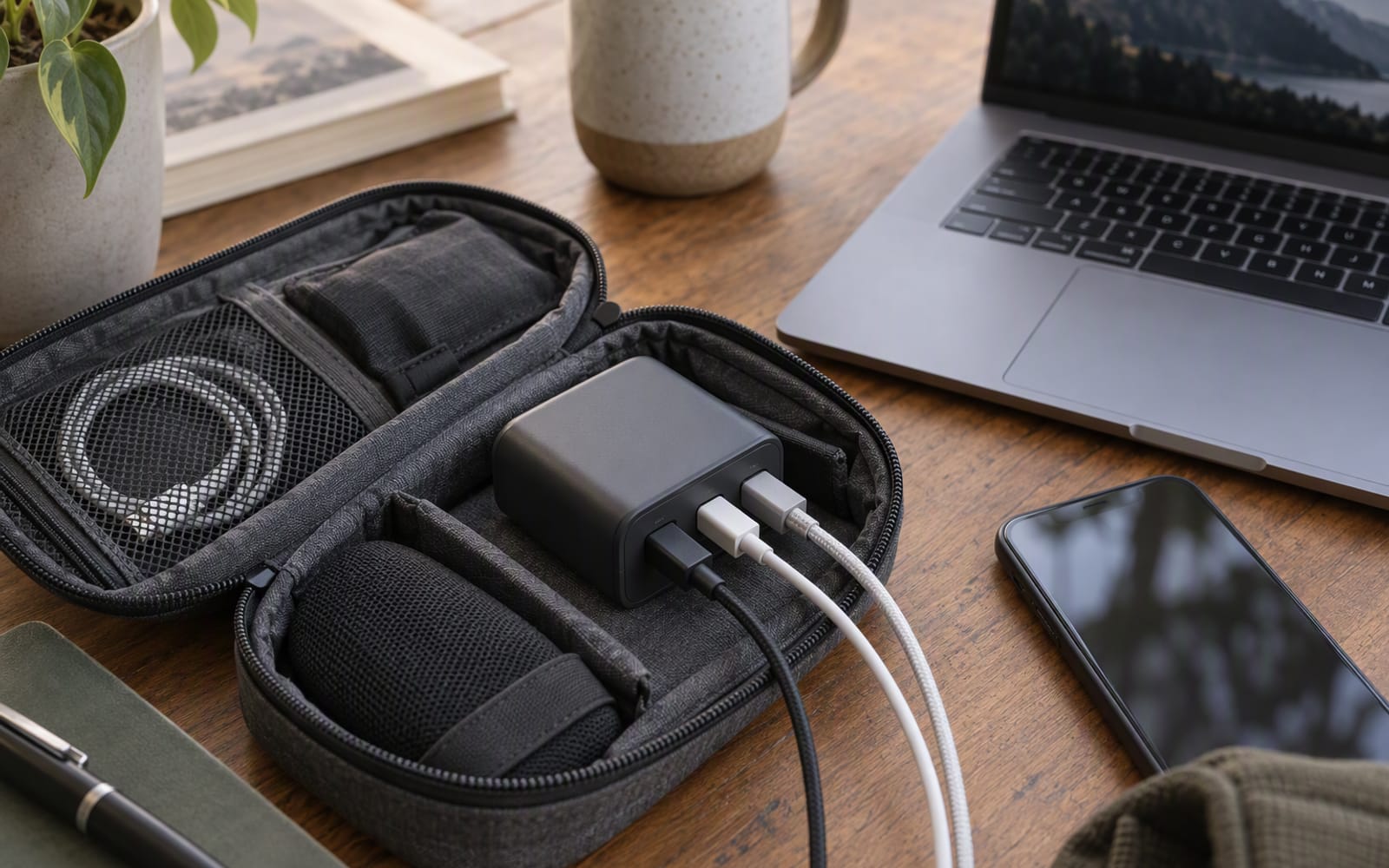
Gallium nitride made chargers smaller. Here is how USB-C Power Delivery works, why total wattage is shared, and when one charger really can replace three.
Power
USB-C Cables for Fast Charging: How Not to Get Scammed
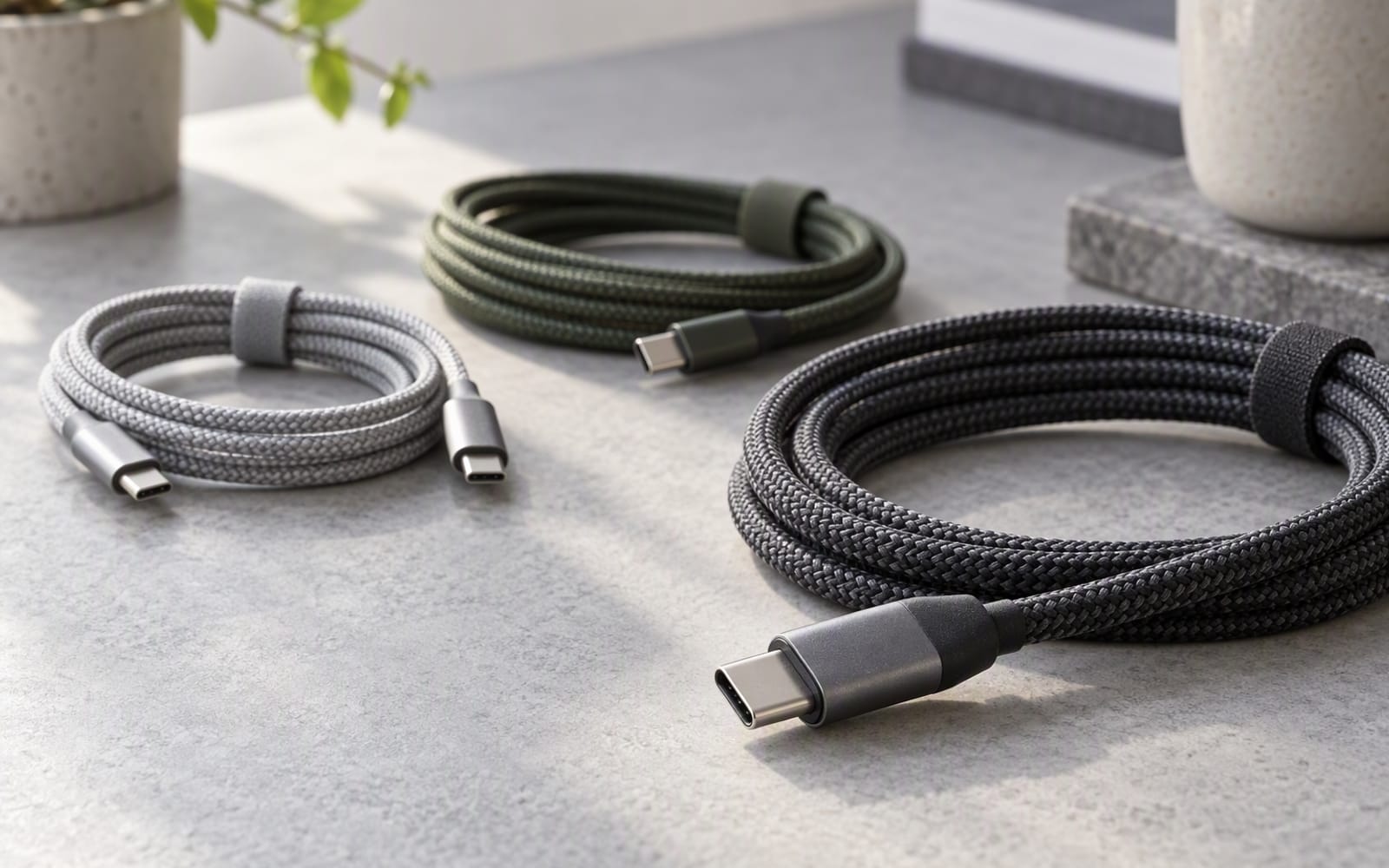
A laptop that charges slowly is usually the cable's fault, not the charger's. Here is how wattage ratings, e-marker chips and data speed actually work.
Power
Best Car Chargers for Road Trips
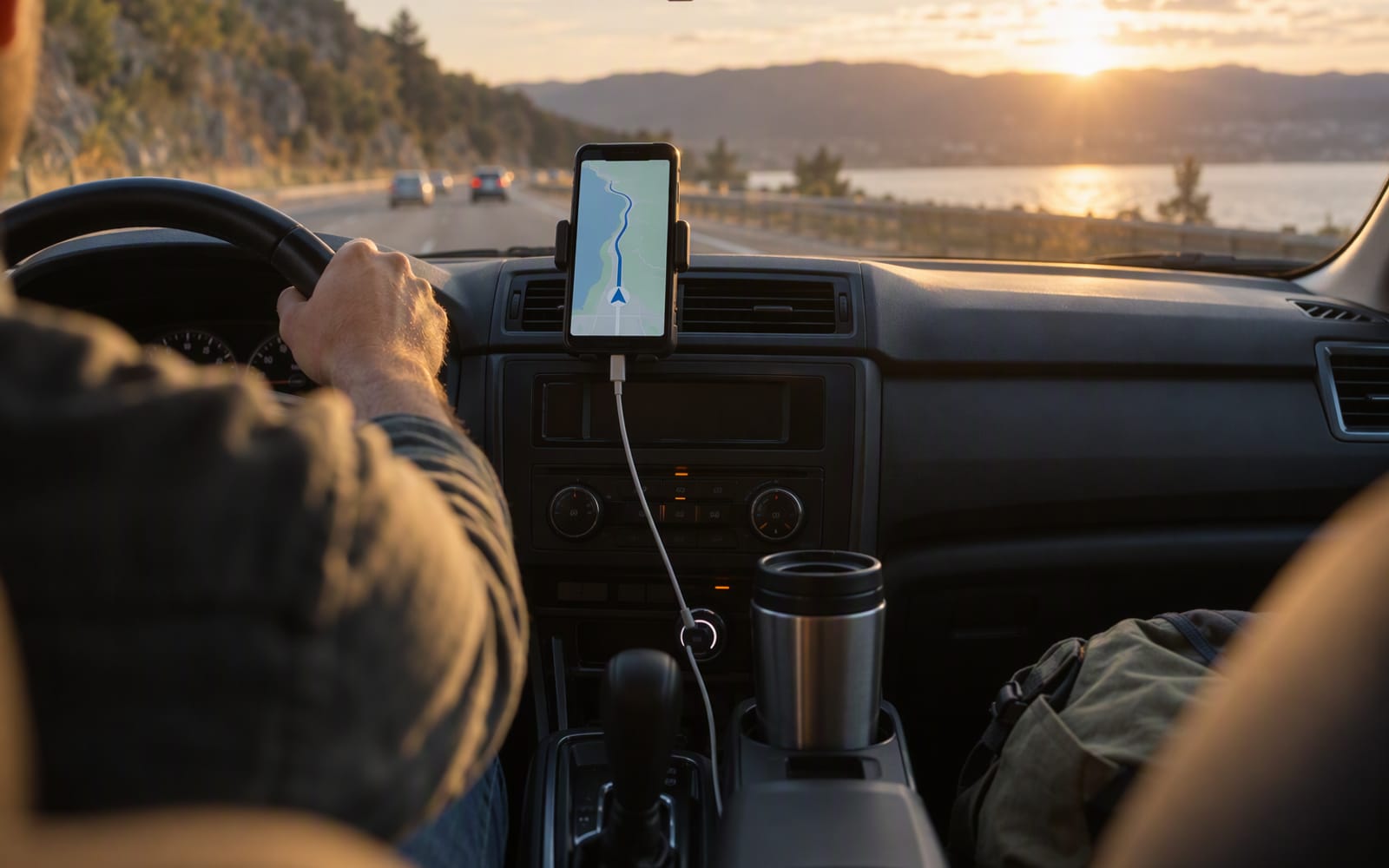
Older 12 V sockets limit what a car charger can deliver. Here is how to pick one for a family road trip, and when the honest answer is to buy nothing.