Wearables & Fitness · Comparison
A colleague buys a smartwatch on the strength of a running app, wears it enthusiastically for a fortnight, and then starts leaving it on the charger overnight — first occasionally, then every night. By the third month it lives in a drawer. Nothing was wrong with the watch. It was simply a watch, and the routine it demanded did not fit the routine she had.
The same story plays out in reverse with a slim fitness band: someone buys one for sleep data, forgets it is on, and still has it on their wrist two years later because there was never anything to charge every night or a screen competing for attention.
That is the real question in this comparison. Not which device has more features, but which one you will still be wearing in three months.
The fundamental difference
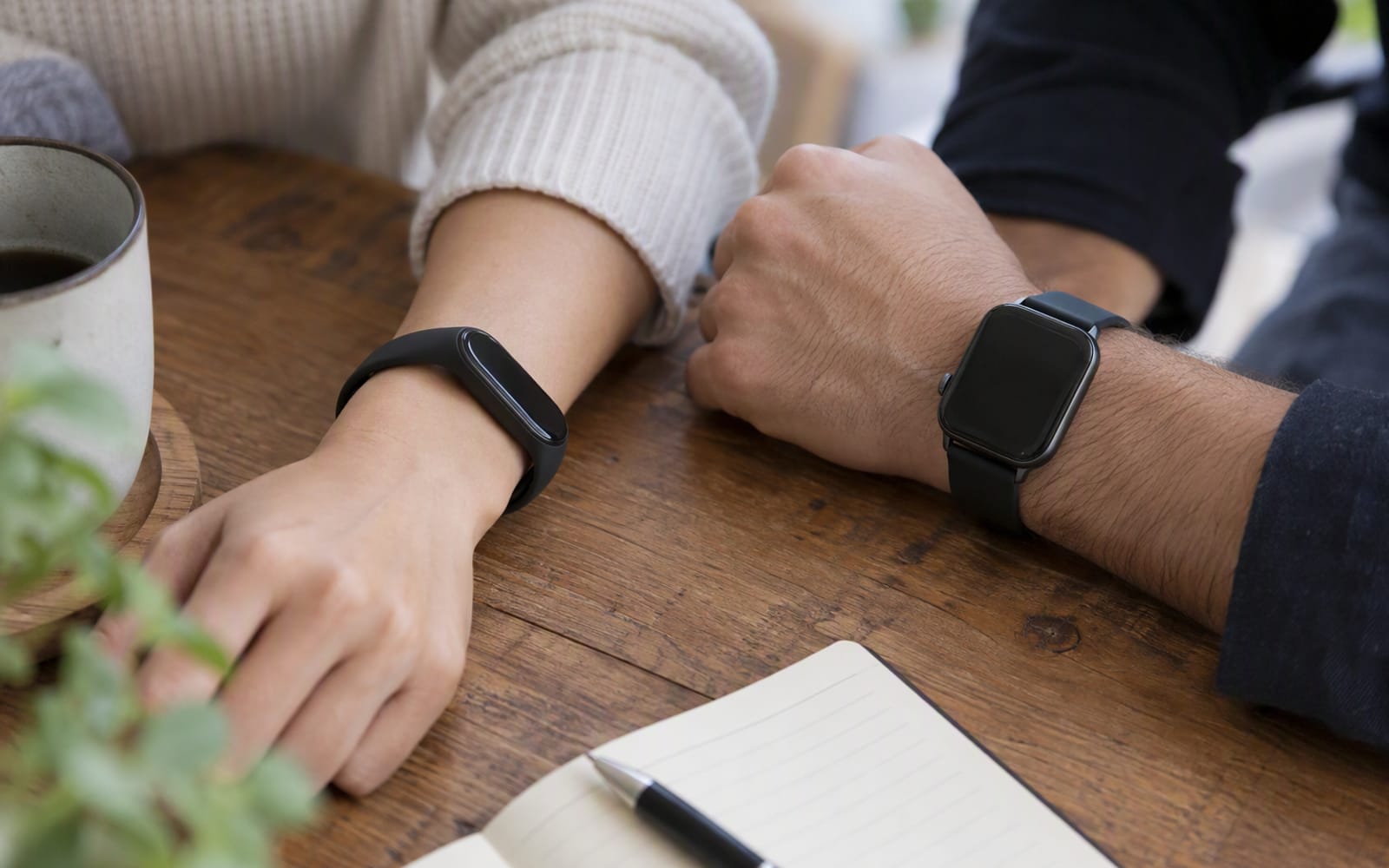
A fitness tracker is built to disappear. It is light, it has a small screen or none worth mentioning, and its battery is measured in days or weeks. You wear it, you forget it, it collects data.
A smartwatch is built to be used. It has a bright screen, notifications, apps and often a payment chip. Its battery is measured in hours or days, and charging becomes part of your daily routine.
Everything else follows from that single distinction.
Side by side
| Fitness tracker (band) | Smartwatch | |
|---|---|---|
| How it feels on the wrist | Light enough to forget | Noticeable, watch-sized |
| Sleep comfort | Very comfortable overnight | Depends on size; can be bulky |
| Charging routine | Days to weeks | Often daily |
| Notifications | Basic or none | Full, on the wrist |
| Phone dependence | Low | High — many features need a paired phone |
| Subscriptions | Some insights may be paywalled | Usually optional, sometimes required |
| Who keeps wearing it | People who want data, not a screen | People who want their phone’s features on the wrist |
A band you forget you are wearing
The Fitbit Charge 6 is the clearest expression of the band philosophy. It is slim, its colour display is small enough that it never competes for attention, and its published battery rating runs to days rather than hours. For someone whose goal is steps, heart rate and sleep, the fact that it disappears is the whole feature.
What you give up: the screen is too small for comfortable interaction, and some of the deeper insights are tied to a subscription. If you want to read a message on your wrist, this is the wrong device.
A watch you charge daily
The Apple Watch SE (2nd gen) is the opposite trade. If you own an iPhone, nothing else integrates as smoothly: notifications, replies and fitness data all land where you expect. Its published feature set includes fall and crash detection, and it is comfortable enough to sleep in — which matters, because you will be charging it daily and the overnight window is the obvious time to do it.
What you give up: there is no always-on display, so the screen stays dark until you raise your wrist, and the daily charging routine is the price of everything the watch does. For people who take a watch off at night and forget to put it back on, this is the failure mode to watch for.
The middle path: a sports watch
The Garmin Forerunner 265 sits between the two. It has an AMOLED screen and training features a band cannot match, including multi-band GPS that is noticeably better in built-up areas, and its published battery rating comfortably outlasts a smartwatch. It is the answer for someone who wants real training guidance without a daily charging ritual.
What you give up: it costs more than the entry tier, the touchscreen is not for everyone mid-run, and the case is plastic at the price. It is a training tool first and a smartwatch second, and that ordering suits some people and frustrates others.
Sleep comfort is the deciding factor for many
If you intend to track sleep, comfort overnight decides whether you actually do it. A band wins on this almost by default: it is smaller, lighter and less likely to catch on a pillow or a partner. A full-size watch is wearable overnight, but it is a bigger ask, and the people who keep doing it are the ones who find the specific model comfortable rather than merely tolerable.
A rule of thumb that saves money: if you plan to wear a device to sleep, buy the one you would forget you are wearing, not the one with the better screen. Overnight comfort is the feature that determines whether the device collects any data at all.
Notifications and phone dependence
A smartwatch’s notifications are its best feature and its biggest risk. Being able to glance at a message without reaching for your phone is genuinely useful. Being interrupted by every notification is not, and the fix is a few minutes spent deciding what is allowed to buzz — not a different watch.
A band’s low phone dependence is a quiet advantage for anyone trying to reduce screen time. If the appeal of a tracker is that it does less, that is not a limitation. It is the point.
Subscriptions: read the small print
This is where a comparison on specifications alone will mislead you. Some bands tie their richer insights to a subscription; some smartwatches tie certain features to a plan; others keep everything on the device. The hardware cost is only the first cost. Before buying, check which features you care about sit behind a recurring fee, because that is the number that compounds over the years you own the device.
Which one do people actually keep wearing?
The honest pattern is this: people keep wearing what requires the least from them. A band you forget to charge is still on your wrist after a year. A watch that needs a nightly charge survives only if the charging routine becomes automatic, which it does for some people and never does for others.
Choose accordingly:
- You want data without a screen competing for attention — a band, and the Fitbit Charge 6 is the reference for that job.
- You want your phone’s features on your wrist and you own an iPhone — the Apple Watch SE (2nd gen), and accept the charging routine.
- You want real training features and a screen you can read in sunlight — the Garmin Forerunner 265, and accept that it is the pricier and larger option.
- You are unsure — start with the band. It is the cheaper way to find out whether you actually want a smartwatch, and if you do, you will know within a month.
Prices and subscription terms change regularly, so confirm the current cost and what is included with the merchant before you buy.
Our picks
These are the models we would shortlist for the scenarios in this article. Each entry shows the published specification highlights, what the product is genuinely good at, and what you give up.
Fitbit Charge 6
Fitbit
A band rather than a watch, which is the point — it is light enough to wear overnight without noticing. Best for people who want health data without a screen competing for attention.
What it does well
- Comfortable enough to sleep in
- Accurate step and heart rate data
- Week-long battery
What to accept
- Some insights need a subscription
- Small screen limits interaction
- App ecosystem has narrowed
Best for: Sleep tracking · Everyday step goals · People who dislike watches
Published specs: Slim fitness tracker with colour display; Continuous heart rate and sleep tracking; Built-in GPS; Multi-day published battery rating.
Last checked: 2026-09-30
Apple Watch SE (2nd gen)
Apple
The right Apple Watch for most people: you lose the always-on display and the ECG, and keep the parts that matter daily. If your phone is an iPhone, nothing else integrates as smoothly.
What it does well
- Seamless with an iPhone
- Excellent safety features
- Comfortable for sleep tracking
What to accept
- No always-on display
- Daily charging routine
- No ECG function
Best for: iPhone users · Everyday fitness · Notifications on the wrist
Published specs: GPS smartwatch with iPhone integration; Heart rate and fall detection; Crash detection; Swim-proof design.
Last checked: 2026-09-30
Garmin Forerunner 265
Garmin
The step up from the entry-level Forerunner buys you a brighter AMOLED display, multi-band GPS and fuller training metrics. If you follow a structured plan rather than just logging runs, this is the tier to aim at.
What it does well
- Noticeably better GPS accuracy in built-up areas
- Bright, readable screen in daylight
- Genuinely useful training guidance
What to accept
- Costs significantly more than the entry tier
- Touchscreen is not for everyone mid-run
- Plastic case at this price
Best for: Structured training · Triathlon · Everyday wear
Published specs: AMOLED GPS multisport watch; Multi-band GNSS for accuracy in cities; Training readiness and load metrics; Long published battery rating.
Last checked: 2026-09-30
Frequently asked questions
Can a fitness tracker replace a smartwatch?
It can replace the parts most people actually use: steps, heart rate, sleep and workout logging. What it cannot replace is the screen experience — reading messages, replying, paying or glancing at a map on your wrist. If those features matter to you, a band will feel like a step backwards within a week.
Which is better for sleep tracking, a band or a watch?
A band is usually the more comfortable choice overnight, because it is smaller and lighter and less likely to catch on a pillow. A full-size watch can work, but comfort decides whether you keep it on. If you plan to wear a device to sleep, buy the one you would forget you are wearing rather than the one with the better screen.
Do I need a subscription for either device?
It depends on the model rather than the category. Some bands tie their richer sleep and health insights to a recurring plan, and some smartwatches reserve certain features for one too. The hardware cost is only the first cost. Before buying, check which of the features you care about sit behind a monthly fee, because that is the number that compounds over the years you own the device.
How long until I know whether I will keep wearing it?
Give it a month. The devices people abandon are usually abandoned because of a routine they never accepted — most often a nightly charge — rather than because of a missing feature. If you are still wearing it happily after a month, the routine has taken; if you are leaving it on the charger, it will not.
Related
Wearables
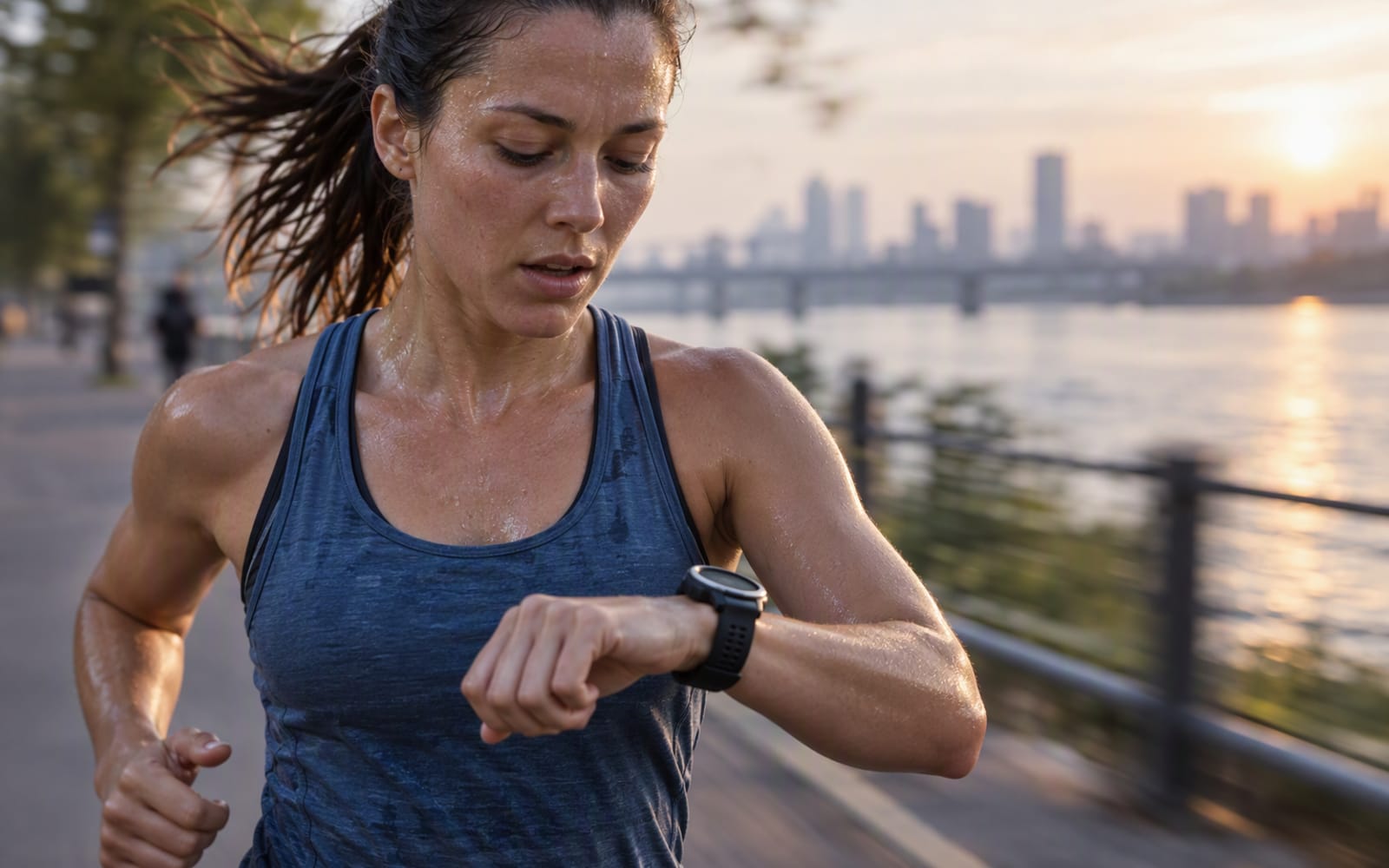
Best Smartwatches for Runners Under $300
Choosing a running watch under $300 is about GPS accuracy and battery endurance, not the flagship spec sheet. Here is how to pick, and what to skip.
Wearables
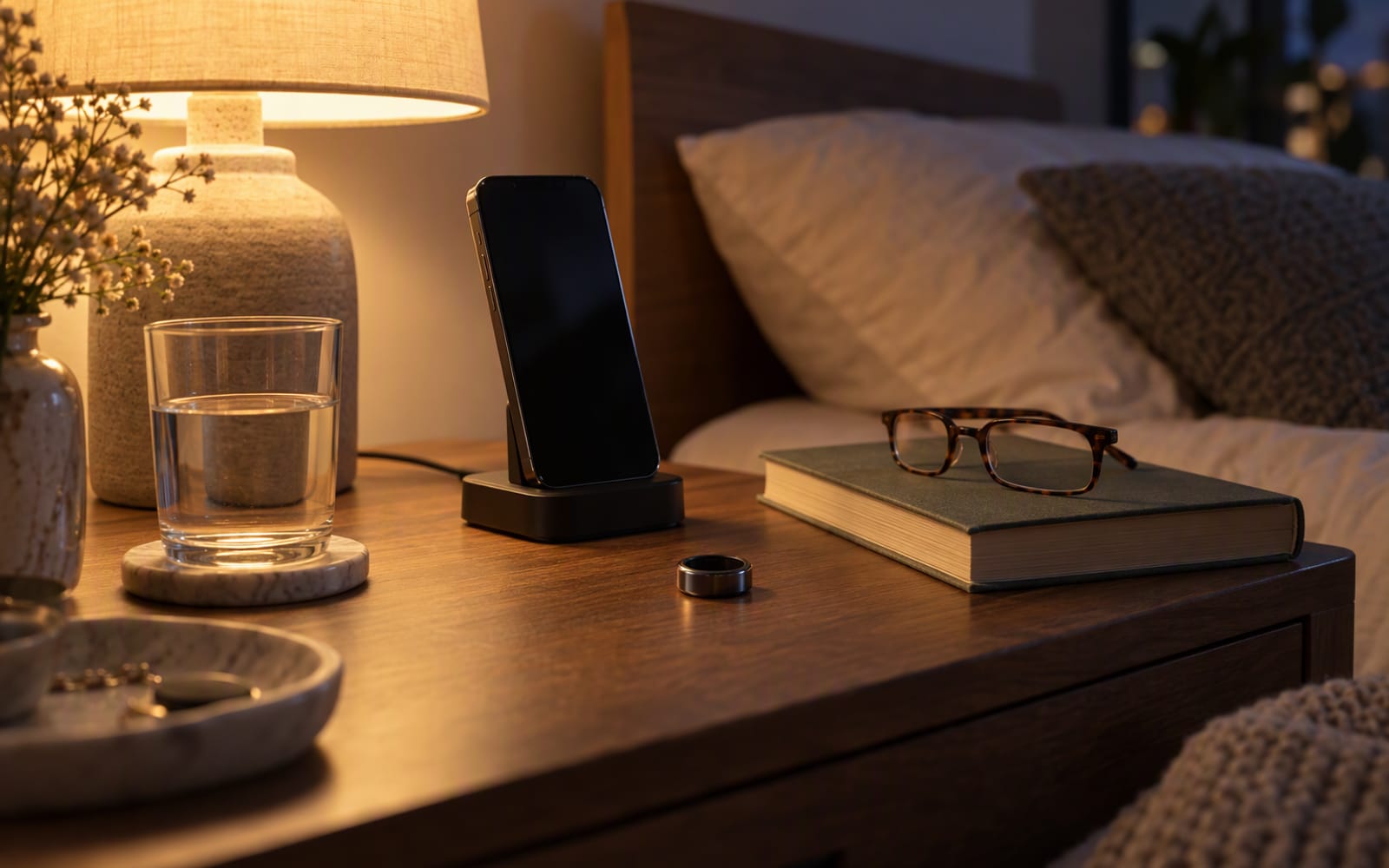
Sleep Trackers That Don't Need a Subscription
Subscriptions, not hardware, are the real cost of sleep tracking. How the main models compare, what the sensors measure, and what to buy without a monthly fee.

Audio
Best Noise-Cancelling Headphones for Open-Plan Offices
Open-plan offices are the hardest listening environment there is. Here is how to choose noise-cancelling headphones for a shared desk, and which models we would shortlist.